Wild Boar Meat Redwork Design Review
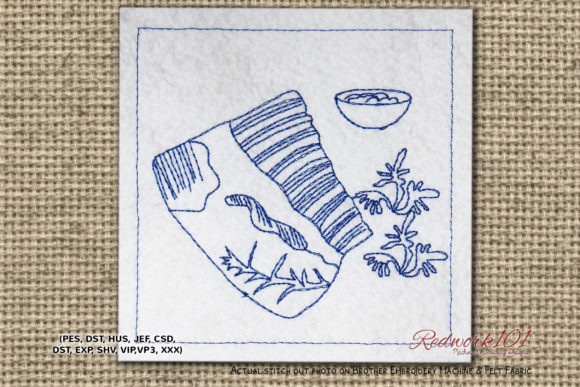
As an experienced embroidery designer, I recently had the opportunity to review the Wild Boar Meat Redwork design for potential use in small business merchandise and branded patches. This machine embroidery design has a distinct visual personality that could be well-suited for a variety of commercial applications, from embroidered patches to custom apparel.
First Impressions: A Rustic Touch with Modern Appeal
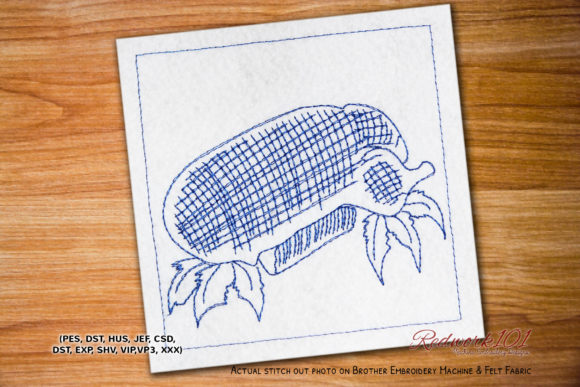
The Wild Boar Meat Redwork immediately stands out with its bold and rustic aesthetic. The title itself suggests a connection to food and nature, which can be a powerful branding element for businesses like cafés, bakeries, or artisanal food shops. The design feels both handmade and professional, making it ideal for brands that want to convey authenticity while maintaining a polished look.
The mention of the Box Stitch being optional gives designers flexibility in how they approach the detail. While the outer box color is often different in most designs, the ability to skip the color directive allows for customization that aligns with brand colors or fabric types. This adaptability is a strong point for any small business looking to integrate this design into their merch line.
Real Business Use: Versatility Across Merchandise Types
The Wild Boar Meat Redwork has the potential to work across multiple product types. For instance:
- Embroidered Patches: This design could make a striking patch for staff uniforms, aprons, or even customer gifts. Its bold lines and clear imagery would stand out on fabric without overwhelming the overall look.
- Cap Embroidery: As a cap front design, it could serve as a subtle yet effective brand accent. However, care must be taken with sizing and spacing to ensure legibility at smaller scales.
- Tote Bag Design: The image of wild boar meat can be a unique touch on tote bags, especially for businesses in the food industry. It adds a thematic element that can help reinforce brand identity.
- Apron Embroidery: In a café or bakery setting, this design could be used on staff aprons, creating a cohesive and memorable brand presence.
- Product Packaging Accents: As a small logo or decorative element on packaging, it could add a touch of character and uniqueness.
Design Considerations for Commercial Use
While the Wild Boar Meat Redwork offers great potential, there are several factors to consider when using it for commercial embroidery projects:
- Small Patch Sizes: The design should be tested at smaller sizes to ensure that details remain visible and recognizable. Tiny lettering or intricate outlines may not translate well to tiny patches.
- Curved Surfaces: If planning to use this design on caps or curved surfaces, it’s important to review how the stitch density and outline will behave under tension.
- Fabric Texture: The choice of fabric can greatly affect how the design looks. Textured fabrics might require additional stabilizer or adjustments to the stitch pattern.
- Thread Color Contrast: Since the color of the outer box is often different, selecting thread colors that provide good contrast with the background fabric is essential for visibility.
- Commercial Licensing: Before finalizing any production, it’s crucial to confirm that the Wild Boar Meat Redwork comes with proper commercial licensing for use in branded merchandise.
Impact on Brand Identity and Customer Perception
Integrating the Wild Boar Meat Redwork into branded merchandise can significantly enhance a small business's visual identity. The design’s rustic appeal aligns well with brands that emphasize handcrafted or artisanal values. When used consistently across products like staff uniforms, tote bags, or packaging, it helps build recognition and trust among customers.
For businesses in the food industry, this design can reinforce a theme of quality and natural ingredients. It also adds a unique visual element that sets the brand apart from competitors. Whether used as a chest logo accent, sleeve detail, or event merch, the Wild Boar Meat Redwork contributes to a cohesive and memorable brand experience.
Practical Embroidery Designer Notes
Before moving forward with production, here are some practical steps to take:
- Test in Black and White: Start by testing the design in black and white to assess how the lines and shapes translate before adding color.
- Check Small Patch Size: Ensure that the design works effectively at the intended size, especially if it’s meant for patches or cap fronts.
- Review Thread Color Contrast: Confirm that the chosen thread colors provide enough contrast against the fabric to maintain clarity and visibility.
- Inspect Spacing: Review the spacing between elements to avoid overcrowding, particularly on smaller items or curved surfaces.
- Confirm Hoop Size: Make sure the hoop size matches the design’s dimensions to prevent distortion during stitching.
- Test on Real Fabric: Always test the design on the actual fabric that will be used for production to account for texture and stretch.
- Use Proper Stabilizer: Depending on the fabric type, choose the right stabilizer to ensure the finished product maintains its shape and detail.
- Create a Mockup: Provide a printable mockup to clients for approval, ensuring alignment with their brand vision and expectations.
- Compare with Other Assets: Place the Wild Boar Meat Redwork beside other design assets to ensure visual consistency across all branded merchandise.
- Confirm Commercial Licensing: Always verify that the digital embroidery file includes proper commercial rights for use in business settings.
Final Thoughts: A Strong Addition to Merchandise Lineups
The Wild Boar Meat Redwork is a versatile and visually appealing design that can elevate the branding efforts of small businesses in the food and handmade industries. Whether used as an embroidered patch, cap design, or tote bag detail, it brings a unique character to custom apparel and product packaging.
With thoughtful consideration of sizing, fabric compatibility, and brand alignment, this design can become a valuable asset in any small business’s merch lineup. As always, testing and reviewing the design before full-scale production is key to achieving the best possible finished product.